On Regular Writing
 As I sit here at my desk, waiting for DHL to deliver a box of Mindjammer paperbacks for us to mail out to reviewers, I’ve been musing over how, after the relative chaos of the past couple of months, I’m finally getting back down to my regular writing routine. And how vital that routine is to me for producing a reliable wordcount every month – and manuscripts to a reliable schedule.
I wonder how many other people write like this? I split my day into sections. The first comes immediately after I wake up, usually about 7.30am, seasonally adjusted (earlier in summer, later in winter), and grab my first cup of tea. About 15 minutes after waking, I find I’m both calm and concentrated – nothing about the day to come is invading my space at the moment, I’m not hooked up to the internet, in fact I’m still lying in bed. That’s when my most creative period begins.

Hey, it worked for Proust…!
Those two hours usually net me about 1000 words. Handwritten, in pencil, on sheets of A4 – usually the reverse side of the bound pages of the current manuscript I’m working on. Much later, once I’ve accumulated a decent quantity of pages – usually enough for several chapters – I’ll go and type them up, then print them out and bind them into a new draft manuscript. Then I’ll start scribbling on the back of those pages, and the process will continue.

Yeah, right. This is me *exactly*…
So, by 10am I’m usually down in front of the computer to begin the day, 9am UK time. For years and years as I worked as a City bod, I used to commute 3 hours a day. Up at 5.40am, out of the house 7.10am, arrive in London 8.30am, get to the office by 9am. Then the same in reverse in the evening – and that was when the trains ran on time. Often they didn’t – and still don’t – and my commute could stretch to 2 or even 3 hours each way. I often tried to write in those periods – but standing up on a packed and sweaty commuter train was never conducive to creativity for me, and when I look back on the reams of paper I covered then with anxious scrawls, my writing seems stilted, formulaic, distracted.

Happy days…
From 10am till midday I cover admin – emails, voice calls, invoices, bills, what have you. There’s always enough – in fact, there’s always too much – but I satisfy myself with doing the essentials during those two hours. Experience has taught me you should never try to clear your desk; otherwise, that becomes your job, and your actual job takes second place. Before you know it, all you’re doing is paperchasing, and nothing else gets done. The electronic age has become expert at generating chaff to occupy your day with meaningless robotic admin. Resist!
Then a quick lunch. Usually very quick; I sometimes try and get outside for a walk round, too, although this summer’s endless rain has mocked my ambitions. In any case, by 1pm I’ve sat down for my afternoon shift – roleplaying writing!
That goes through till 6pm. That’s 5 hours, of writing, editing, mapping, stat blocks, even sometimes layout and proofing. Whatever it takes, to work on the next manuscript. At a good rate, I find I can do at least 1000-3000 words in that period, and often more, research and the nature of the work depending. Added to the 1000 fiction in the morning, and assuming that I’m going to spend time re-writing and editing what I’ve written, that puts me at 10,000 words a week. 40,000 words a month, every month, is my constant goal. Sometimes I succeed, sometimes I fail, but I figure if that’s my average, and the stuff I’m writing is up to scratch, then I’m winning. That last point is crucial for me, too: it’s easy to write more words of poorer quality. That’s the eternal balance; I find I spend at least as long re-writing and editing my stuff as I do writing it in the first place, and that obviously affects my average wordcount. I get the feeling this area is perhaps the biggest area of variation between writers.

From order there sprang chaos… or…
That’s my method, such as it is. Forming Mindjammer Press over the past couple of months has disrupted that cycle, but it’s now beginning to assert itself again, and the wordcount is beginning to flow. Perhaps it’s the old commuter and breadhead discipline kicking in, but I find I need those restrictions and frameworks to “write my words”. I wonder if there’s anyone out there who writes truly chaotically? I know I did when I wrote my first long fiction piece, over 20 years ago. 50,000 words, took me nearly a year, and exhausted me utterly. But I’m sure we all have our own magics for summoning the muse.
What’s yours?
Sarah Newton
Normandy
16th August 2012
Check out the new novel Mindjammer at Amazon.com and Amazon.co.uk!
Mindjammer Press – A New Home for Mindjammer
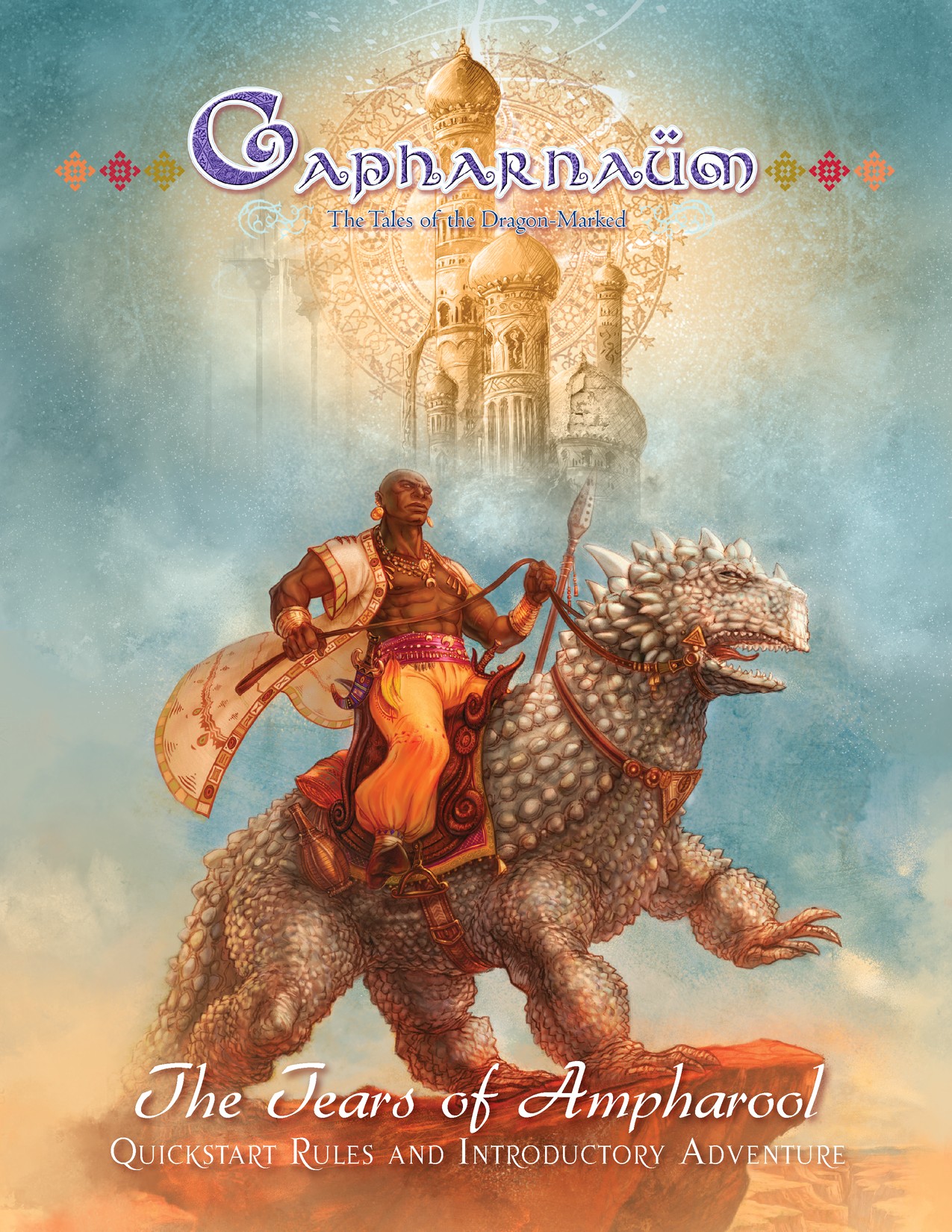
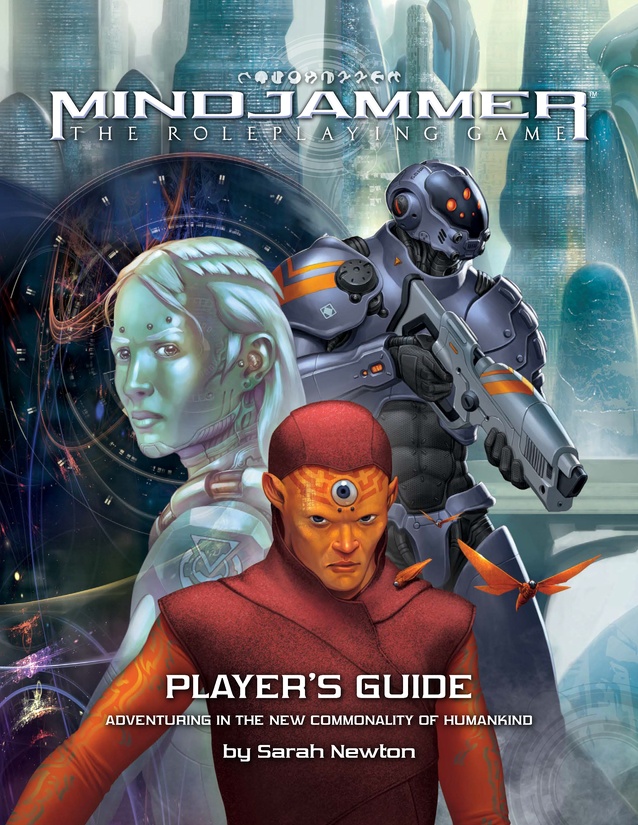
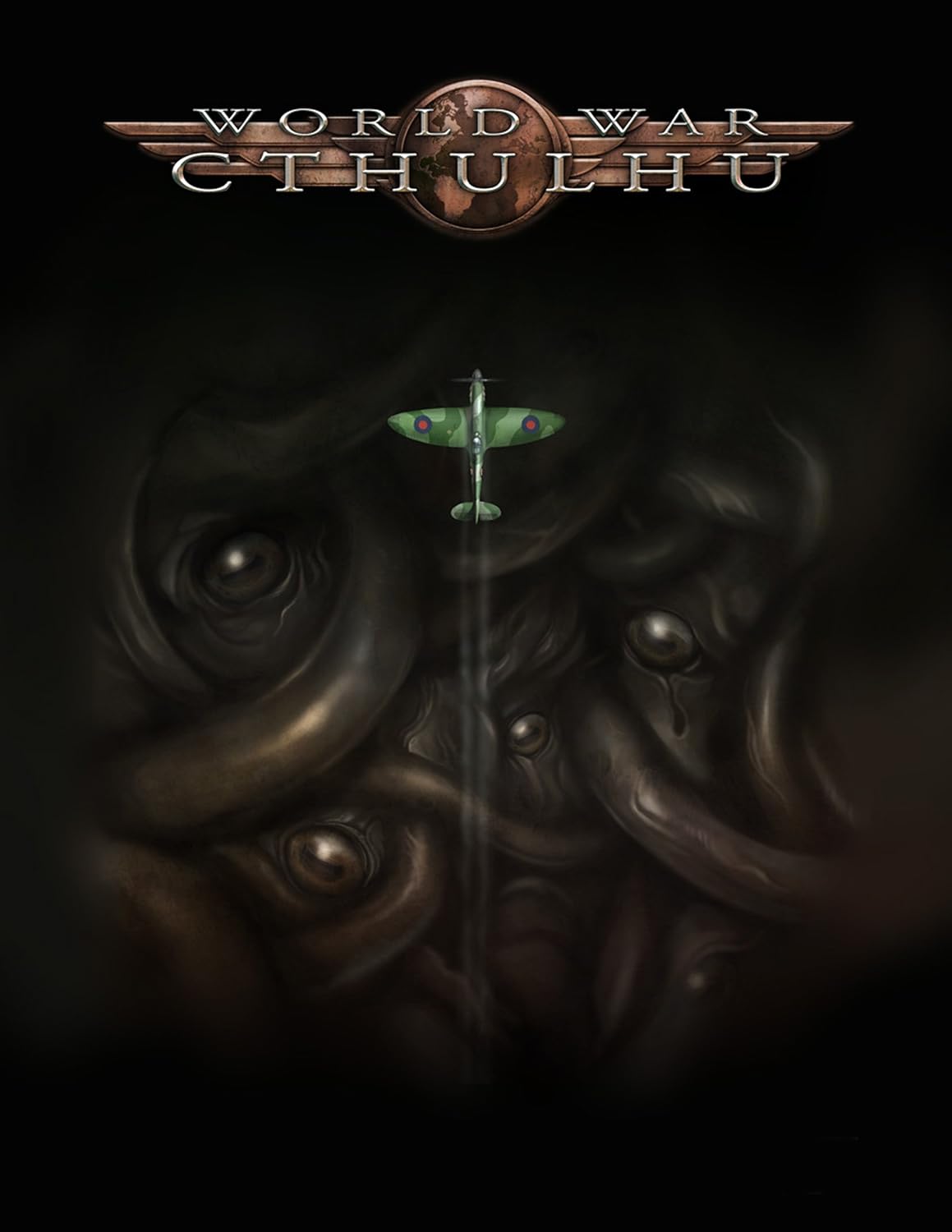
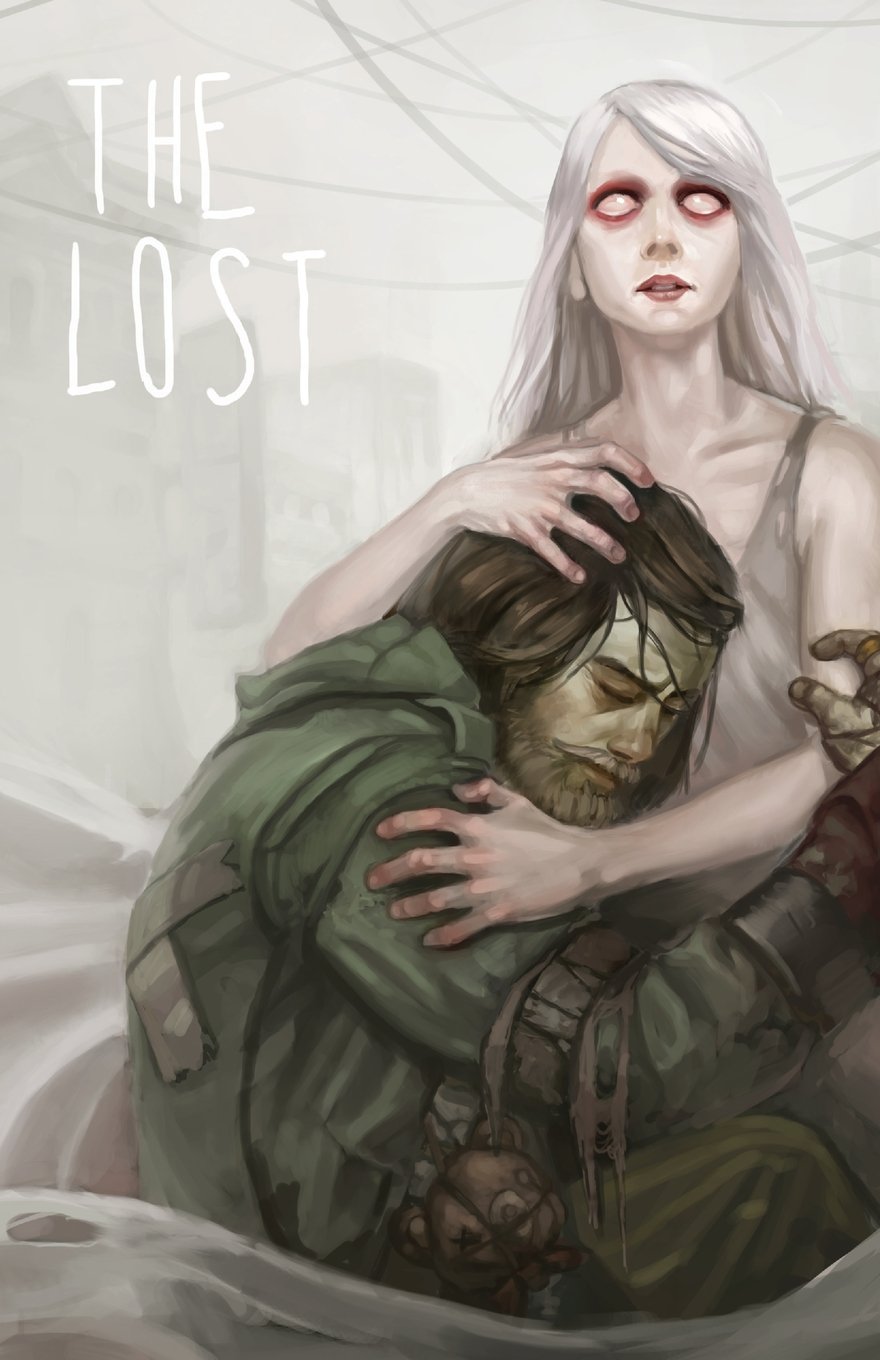
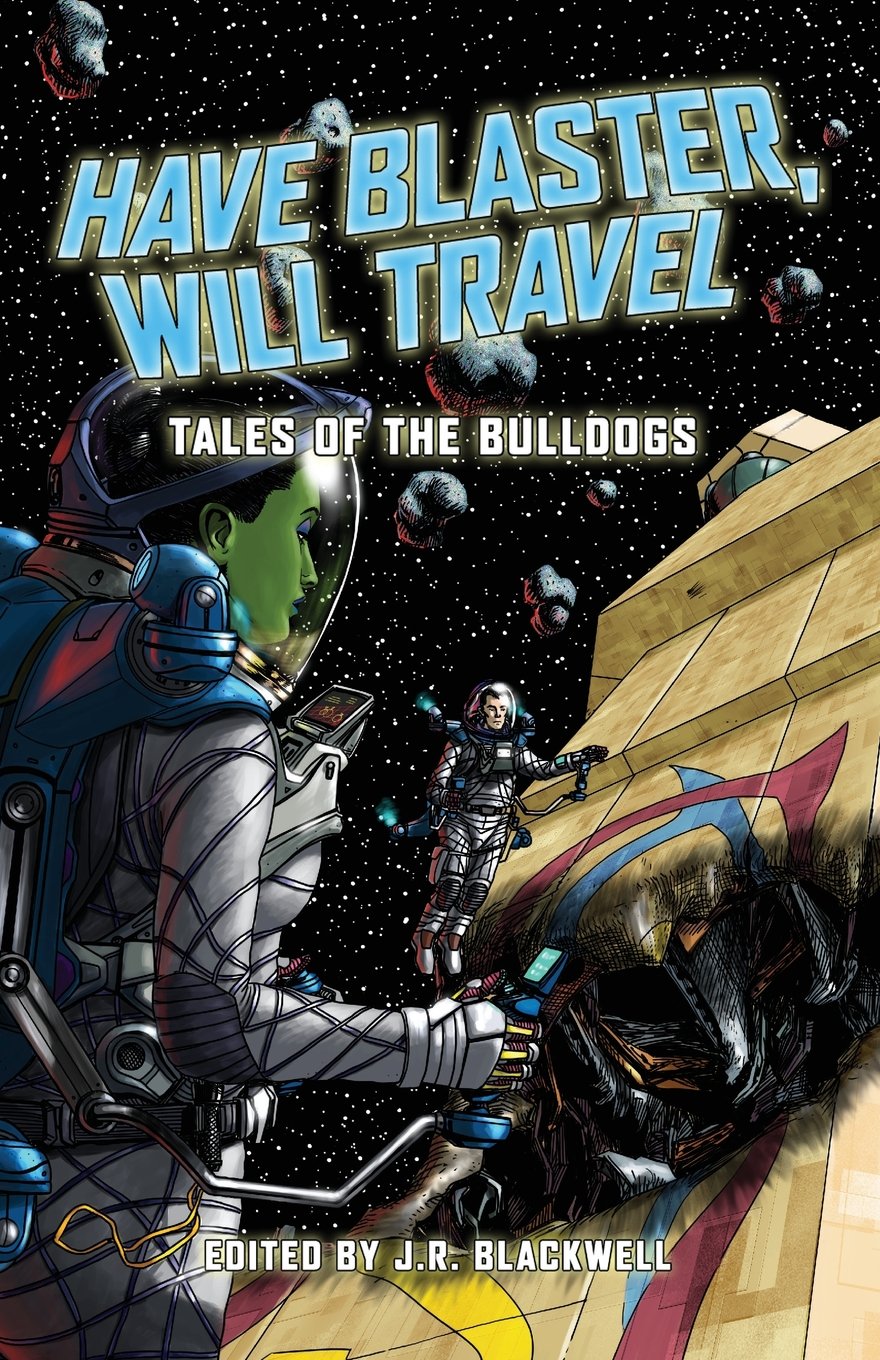
 As some of you might know, this year has been pretty seismic for me on the writing front. In addition to writing fiction for The Lion and the Aardvaark (Stone Skin Press), Have Blaster, Will Travel (Bulldogs!), and World War Cthulhu (Cubicle 7 Fiction), and the Zero Point campaign for Achtung! Cthulhu by Modiphius, I’ve also embarked on a series of Victorian adventure scenarios for the new Leagues of Adventure RPG from Triple Ace Games, and signed a new novel with Chaosium (The Worm Within) for the Chronicles of Future Earth, and a complete new and weighty Player’s Guide for the far future science-fantasy RPG setting, to be released next year. And now – at last! – I can announce an awesome bit of news we’ve been sitting on for several months: the formation of a new imprint, Mindjammer Press, as the new home for all things Mindjammer!
Since the Mindjammer setting sourcebook for the Starblazer Adventures RPG won its ENnie Judges Spotlight Award at the 2010 ENnies, we’ve been working on a second edition for the game. Unfortunately this meant rescheduling a number of releases which were ready to go in August 2010 as we redrafted the core book to incorporate new content and artwork for the second edition. That rescheduling snowballed into production delays, and finally this year we took the step to bring all of the Mindjammer products in-house to ensure a frequent and timely release schedule – so here goes!
 The first Mindjammer Press release is happening right now, with the re-launch of the “Mindjammer” novel – check it out at the Mindjammer website and at Amazon.com (trade paperback / ebook) and Amazon.co.uk (trade paperback / ebook). We’ve reduced the ebook price to bring it more in line with what we want to do with the fiction line, and made it available in both Kindle and trade paperback versions, with PDF to follow. You can buy the trade paperback online from Amazon, but also through your local hobby and bookstore – if you don’t see it on the shelves, please ask for it, as it’s available for stores to order! We’ve also put multiple sample chapters up online at Amazon (and shortly DriveThru) for you to test the water – so please try it out!
Mindjammer is the first of three novels in the series, the second of which, Transcendence, is being written now and will release in 2013. The series will be followed by two short story anthologies – The Songs of Old Earth and Tales of the New Commonality. More on those to come!
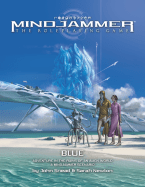
Before the release of the second Mindjammer novel, however, we’ll be launching our first big RPG product – Mindjammer: The Expeditionary Era. This is the second edition of the Mindjammer RPG setting which has been mooted since the 2010 ENnies, featuring gorgeous cover art by Paul Bourne and all new interior artwork fitting the Mindjammer setting. It’ll be a big book – we’re anticipating somewhere between 300 and 400 pages – and, most importantly, it will be written for the new FATE 3 Core RPG system currently being developed by Evil Hat Productions.
The timing was perfect on this one, and we’ve been discussing the release with Evil Hat for several months, but the intention is to make the new Mindjammer completely compatible with FATE 3, while preserving all the cool stuff you love about the Mindjammer setting – the Mindscape, technopsi, sentient starship characters, hyper-advanced genurgic enhancements, cultural conflict, cool planets, and heaps more. Mindjammer: The Expansionary Era will contain complete rules for designing and playing worlds, star systems, starships, cultures, organisations, life forms, hypertech, and tons more. It’ll have a more realistic feel for things like ships, planets, and life forms – in particular we’re incorporating new discoveries in astrobiology, exoplanets, and astrophysics into the rules – but at the same time will continue with the action-packed space opera feel you’ve come to expect from the game. The transhuman element will be everywhere!
We’re currently deep in the writing phase of Mindjammer: The Expansionary Era, and plan to release the PDF during the first half of 2013, with hard copies hopefully available for UK Games Expo in May and GenCon in August. We’ll also be shortly setting up an online community for the setting, and providing regular updates. We’ll be providing a special price pre-order approximately a month before the print edition launches.
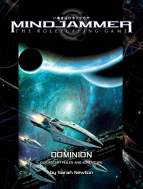
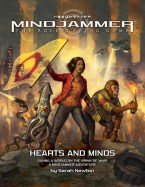
After the release of the Mindjammer core book, we have a steady release of 3-4 supplements and scenarios scheduled per year, the first of which are already written and ready to go. These will include Solenine, a campaign based upon the events of the first Mindjammer novel, and a completely revamped version of The Black Zone campaign, with extensive background information on the Venu. Regular releases are the lifeblood of any setting, and we’re committed to providing that to all the Mindjammer fans out there.
That’s it – exciting times! I’d like to personally thank all the fans of the Mindjammer setting for your support and encouragement, and your patience as we’ve battled with production delays. I hope you’ll continue to join us as we discover the far future destiny of the human race. Mindjammer: the transhuman adventure is just beginning!
Best,
Sarah Newton
Mindjammer Press
Normandy, August 10th, 2012
RuneQuest 6th Edition – First Glance
 First up, this post is NOT a review! That’ll come much later, when I’ve had chance to read and digest this weighty 456-page document. However, it is an attempt to jot down my first impressions after a 30-minute leaf through of the PDF of the brand-new roleplaying game, RuneQuest 6th edition – out today for pre-order from Moon Design Publications.
RuneQuest 6th edition has been written by RPG stalwarts Phil Nash and Loz Whitaker of the Design Mechanism, so has a great pedigree. For $25 (PDF only) or $50 (print pre-order + PDF bundle), you get the immediate download (woo-hoo!) of the new rulesbook right away, and the softback hard-copy as soon as it’s back from the printers.
First impressions: this is worth it. Every penny. For me, the RuneQuest roleplaying game was my first real RPG love. I began gaming with Tunnels & Trolls, Traveller, Metamorphosis Alpha, and White Box D&D back in 1980, but in later 1980 / early 1981 I got my first taste of the Glorantha setting and the RuneQuest game in its second edition, and my gaming life changed forever: there was something about the wonderful sword, sorcery, and sandal flavour of Glorantha, coupled with the “hero path” road-to-apotheosis semi-mythical feel of the RQ2 rules which just clicked with me, and for 20 years I never looked back. RQ2 was refined into a third edition, which was utterly state of the art – elegant, streamlined, scalable. And, of course, the mechanic now powers a large proportion of all RPGs which aren’t D&D: including Call of Cthulhu, Basic Roleplaying, Elric, Legend, and of course the mighty RuneQuest.
At one time RuneQuest looked likely to fade. From the mid-90s support for the game from Avalon Hill faded, and it and the Gloranthan setting stayed alive thanks to the fan community, of which I consider myself a member. In the very late 1990s the Glorantha setting officially switched rules to use the innovative HeroQuest system, now in its 2nd edition, again from Moon Design – a rules system I love, but one which is very different in flavour from the famously crunchy, gritty, and simulationist RuneQuest.
In the mid-2000s, Mongoose Publishing produced a new edition of the game. Those of us who’d been hoping for a thoroughly modern updating of the RuneQuest system to accommodate 21st century roleplaying ideas – narrative elements, social combat, “aspects”, “FATE points”, etc – were disappointed. Mongoose RuneQuest to me felt like a step backwards rather than forwards, although it was very well supported.
Fast-forward to 2012, and the Design Mechanism (Phil, Loz, and friends) regained the rights to the RuneQuest name and have finally published the edition I’ve been looking for since – ooh, 1999? It’s awesome. Here’s my first impressions:
The RuneQuest 6 core book is extremely exhaustive in content. Unlike Chaosium’s Basic Roleplaying (which I write for, using my techno-fantasy setting The Chronicles of Future Earth), which many people might consider the new RuneQuest’s natural competitor, RuneQuest 6 does not aim to be a generic ruleset. It very firmly places itself in the fantasy genre, and even more specifically in the sword, sandal, and sorcery genre which the Glorantha setting initially kicked off in the late 1970s. RuneQuest 6 is deliberately not a Gloranthan game – but it very much lends itself to “ancient world” roleplaying: it’s a game of the bronze and early iron ages, of Celts, Germanians, ancient Greece and Rome, Persia, Babylon, Egypt, rather than mediaeval Europe, King Arthur, or the renaissance.
Saying that it isn’t a Gloranthan game is also perhaps a half-truth: although there is absolutely no mention of Glorantha in the game, it absolutely oozes with Gloranthan potential. Its bestiary has many critters which have direct Gloranthan analogues: Slargrs and Chaos Hybrids (broos, for those in the know) jumped out at me, but there are many others. Likewise, its magic systems pretty much tally one-for-one with corresponding Gloranthan magic: you’ve got folk magic, animism, sorcery, theism, and mysticism (the latter is quite cool as not even HeroQuest has dealt with that yet). Don’t get me wrong: you can absolutely play in a non-Gloranthan sword, sorcery, and sandal setting with these rules: go mad for Elric, Fafhrd and the Grey Mouser, Jason and the Argonauts, Cu Chulainn, golden age Byzantium, Persia, Egypt, etc, These rules are perfect for that. But, equally, if you want a gritty, crunchy game which is absolutely spot on for gaming in Glorantha, then this book gives you that straight up, no customisation necessary. Grab hold of Sartar: Kingdom of Heroes, the Sartar Companion, or Pavis – Gateway to Adventure from the folks at Moon Design, and you’re good to go!
The rules are very logically laid out. There are key ancient world cultures and occupations, with common skills; there are rules for “passions”; and even rules for “augmenting”, a la HeroQuest. This latter is using one skill or passion to provide a bonus to another; it’s something I’ve been using for a while as a houserule, and wrote an article on in Nick Middleton’s Uncounted Worlds, and have just written a version of for Chaosium’s upcoming MagicWorld Companion: the RuneQuest 6 rules are similar, but different, and a wonderful addition to the RuneQuest rules arsenal. Great to see them!
The core book also provides rules for organisations, very welcome: cults, gangs, guilds, etc, something for your characters to belong to and work within. They include rules for oaths, taboos, geases, and loads of examples. There are rules for social combat, and tons of GM advice. The critters chapter provides a very useful codification of special abilities, which reminds me of the D&D 3e Monster Manual – it’s awesome to see this appearing in RQ, and should make creating new critters a cinch.
The combat system is much more detailed than the BRP one, with lots of special combat manoeuvres, effects, and other actions. I believe it owes this to the Mongoose incarnation, but this looks a lot fuller and more tightly integrated into the rules. In particular, I’m going to be keeping a very close eye on how quickly combat moves, how skills in excess of 100% are dealt with, and how elegantly standard, special, and critical opposed rolls work out. These have always been thorny issues with the RuneQuest / BRP rules, so I’m interested to see how this new incarnation deals with them.
Other interesting features noticed in passing: luck points; siege weapons; bartering and haggling, group skill rolls; families; allies, contacts, and connections; combat styles; an appendix on tactical movement.
Things I haven’t found in the rules yet: treasures, rules for magical items. That doesn’t mean they’re not there – they just didn’t jump out at me in the quick glance through (this is a big book!). I’m expecting to find references to the old “magic crystals” and “enchanted items”, potions, etc, within the magic chapters when I do a close read. At this glance, though, I haven’t found pages and pages of magical items.
That’s it – the fruits of a quick 30-minute look through. Make of it what you will – I’ll certainly produce a more thorough review once I’ve had a proper read and probably a session or two (probably with the hard-copy). Because – yes! – I shall be playing RuneQuest 6, my first true RuneQuest session in over a decade. I’ll be using it for Glorantha – my intention is to play through the old Borderlands boxed set, for which it will be perfect.
There is a wee dilemma in my mind: I’m now torn between HeroQuest 2, which I love, and RuneQuest 6, for my Gloranthan gaming. They are very different animals: one is much more narrative, story oriented, to some degree abstracted; the other is much more traditional, tabletop, gritty and simulationist. They will produce very different play experiences. And I think the answer to my dilemma – which do I use? – lies in that difference. I think I’ll continue to use HeroQuest for my Sartar campaign, and start up a Prax campaign down the River of Cradles for RuneQuest 6, and play one or the another depending on mood.
Great book, Loz and Pete and friends, and a great job! I’m looking forwards to getting my teeth into it!
Leagues of Adventure – Our First Session!
 Some of you might know I’m currently writing a series of adventures for the Leagues of Adventure roleplaying game from Triple Ace Games. It’s a brand new RPG using the Ubiquity engine; today we played our very first session, playtesting the first scenario.
Leagues of Adventure is a roleplaying game set in the 19th century of the classic adventure stories – Sherlock Holmes, She, King Solomon’s Mines, The Lost World, Kipling, Wells, Verne, and even Chitty Chitty Bang Bang and Those Magnificent Men in their Flying Machines. It’s a world of larger-than-life characters, where you can perfect your impressions of David Niven, Terry Thomas, Margaret Rutherford, and a cast of other similar beloved figures from movies and novels of that Gilded Age. Hone those outrageous accents to a keen edge – I know I do!
As you might expect from the genre, it’s rollicking good fun to play. Unlike many other games set in and around the period, Leagues of Adventure is the first I’ve found to deal directly and without alternate world gimmicks with the 1890s adventure yarn genre. There are no red-coated colonies on Mars, no elves or dwarves, no teeming vampires or elder things or legions of subterranean dinosaurs, tripods, fighting machines, or demons forming the setting’s core. Instead, you get the world of “Journey to the Centre of the Earth” – yes, there is weird science; yes, there are steampunk elements, weird creatures, lost worlds, savage tribes, and mysterious powers in the unexplored and benighted corners of the world; but that world is very recognisably our own. There are a few differences: first, the world of the 19th century adventure yarns is the real world: Sherlock Holmes is a real character, as was (is?) Captain Nemo, and H.G. Wells is documenting real events and scientific theories. Also, Victorian science is very much at the forefront, to the extent that there are some anachronisms: rigid-frame airships already exist, a good decade and a half ahead of time, and they’re already criss-crossing the globe, although they’re expensive and rare. Imagine a Victorian world where most of the historical characters – politicians, explorers, writers, inventors, etc – are actually player characters, and you’ll have a pretty good idea of the setting!
Beyond that, though, it’s a setting firmly rooted in historical reality. You can use your history books, films like Zulu and Journey to the Centre of the Earth or books like The Secret Agent and Kim, pretty much as your source material – it’s an immensely rich setting, where the old world of the 19th century is on the turn, and the modern industrial world of great powers is coming into being.
For today’s session, we spent yesterday creating four characters to begin the campaign. Ladies and gentlemen, please allow me to present our heroes:
- Doctor Henry Cornwallis, experimental chemist and inventor of the Cornwallis Patent Shake-a-Light and Somniferous Bellows;
- Major Robert Carstairs, 1st Royal Dragoons, for glory and the Empire!
- Mr Charles Montgomery, poet, dreamer, seeker of the One Truth.
- Lady Wilhelmina fitzHugh, daughter of the 7th Earl of Cadogan, and incognito reporter for the Times.
My lady, gentlemen, please take a bow!
So, today was actually my first time playing Leagues of Adventure, after spending most of the last month since UK Games Expo assimilating the rules. For those of you who aren’t familiar with the Ubiquity system, it’s basically a dice pool where you add your attribute and your skill together and roll against a difficulty. Unlike other RPGs, the criterion for a success on a die roll is whether or not the die result is an even number. As a result, you can use any dice or combination of dice: it doesn’t matter whether you roll a d4, d6, d20, whatever, as long as it has an even number of sides. This has the advantage of making averages easy to figure: if you’re rolling 6 dice, the average will be 3 successes: these means that generally speaking there’s no need to roll for a Difficulty lower than 4 – “Taking the Average” will get you a simple success. This speeds up play and prevents you rolling unsatisfyingly simple rolls, concentrating die-rolling on rolls with a good chance of failure and therefore tension. The game also has some narrative elements: “Style points” are similar to Hero Points, Bennies, and Fate Points, and can allow you to bend the rules slightly. All-in-all it’s a good clean system with a lot of scope for flexibility; I found it pretty intuitive to pick up.
As it was my first session, I found myself slightly off-target when matching Difficulties against Skill ratings and structuring Extended Roll encounters – nothing major, but I’ll be more accurate next session as I get more familiar with Ubiquity’s parameters. I was also quite surprised by how much variance there was in the Ubiquity system between actually rolling the dice on the one hand and Taking the Average on the other – I’d expected the results of both to be quite close, but the number of times the dice rolls came up with overwhelming successes or failures was startling – we even had one Critical Failure (where the dice roll no successes at all), where Doctor Cornwallis, balancing on a roof and trying to punch a villain, ended up almost falling to the ground far below! That said, the system performed well and the game ran smoothly. Next session we’ll focus more on earning Style points – we went through them like loose change!
The Leagues of Adventure setting felt great – very authentic, instantly familiar, and with a strong vein of nod-and-wink humour at the foibles of the time. Not much combat – but, by Jove, firearms are dashed dangerous, what? Major Carstairs got shot once with a heavy revolver, taking 5 damage, and went down like a ton of bricks! Struggled to his feet, did up his collar, and dashed back into the fray before collapsing, bleeding profusely. Bit of timely first aid helped, though.
My next task is to structure social encounters / social combat much more solidly: skills such as Diplomacy, Influence, Intimidation, Con, etc, all get a lot of use in Leagues of Adventure, which is a very society- and interaction-oriented game, and I feel my own GMing would benefit from them being structured turn-by-turn with some zingy crunch. The PCs were doing a lot of interacting so we’ll emphasize the mechanics for those next session.
We had an absolute blast playing Leagues of Adventure and some wonderful laughs as we all tried to behave like larger-than-life Victorians. We’re aiming to play again next weekend – the second third of the scenario awaits!
UK Games Expo 2012

UK Games Expo – 10pm and still going strong!
I think this was my best UK Games Expo yet. For the first time I was there as an independent freelancer – I had a table up with the New Writers UK team, where I got to meet the very wonderful John Denning (father of Richard, organizer of the con and stalwart con supporter), and Marilyn L Rice and Nick Marsh, two fellow fiction authors with whom I shared the “Pathways to Publication” fiction panel on Saturday afternoon. Hi guys!

Yours truly before selling out of “Mindjammer”!

Fun for families of all tribes!

One of the Triple Ace Hellfrost Dioramas
I was also very impressed by Tin Man Games, and its owner Neil Rennison, a truly great and friendly guy. Tin Man are responsible for the new “Choose Your Own Adventure” books now available on iPad and Android, which I’d heard plenty about online but had never actually seen in action. I chatted with RPG stalwart Nick Robinson and prolific fiction author (and fighting fantasy guru) Jonathan Green at the Tin Man stand, both of whom walked me through their apps, and was truly impressed; there’s a whole new strand of RPG awesome developing there, and I’m looking forwards to following their developments very closely. I grabbed a copy of Temple of the Spider God on my return to Normandy, and am looking forwards to playing!
It was great to catch up with Angus Abranson, too, and check out his new Chronicle City venture. Lots of great chats there, but also the opportunity to see the physical version of Nimrod Jones’ Faustus card game at at last. I played this at IndieCon a couple of years back and was very impressed – it’s a great game of demons and sorcery – and so was very interested this time to see the physical pre-production version. All being well that looks to be being launched by Chronicle City very soon – possibly even before Christmas – and I for one will be queueing for a copy. Great work guys!
I must of course mention Chris Birch, my co-conspirator on many RPG projects over the past few years (not the least Mindjammer and Legends of Anglerre), whose new imprint Modiphius is publishing my new Zero Point campaign for the Achtung! Cthulhu line. The first Zero Point adventure, Three Kings, launched last week, and it was great to sit down with Chris and discuss upcoming Modiphius projects – watch this space!

Gill Pearce of Hellion’s Art. Arrr!

Me with Marilyn L Rice and Nick Marsh

Treasure! Booty! Swag!
So, a great convention all round. Next year UK Games Expo will be taking place at Birmingham’s NEC. It’s a little sad to be leaving the quirky halls and corridors of the Masonic temple in the Clarendon Suites, but this year showed that the con is rapidly outgrowing its environs, and needs more space to breathe. I hope to be there for the 7th UK Games Expo, mingling with the ever increasing crowds of friendly gamers, families, daleks, cyberfolk, jedi, stormtroopers (even including R2D2 Kenny Baker this year), enjoying an excellent weekend of convivial mayhem!
Cheers to everyone for a great event, and see you next year!
Off to UK Games Expo 2012 – see you there!

It’s the end of May again, so that means it must be time for… UK Games Expo! One of the biggest (if not the biggest) games conventions in the UK, it’s a warm, friendly, and fun-packed weekend for all comers, from hardened RPGers to families with kids, LARPers, cosplayers, boardgamers, CCGers, genre fiction fans, artists, and tons more. This year will be my fourth time attending, and my second appearing in seminars and workshops. I’m absolutely delighted to be appearing in the RPG Designers panel (11am Saturday) and the “Pathways to Publication” fiction authors’ panel (1pm Saturday), both of which look to be great fun. I’ll also be up by the New Writers UK stand in the mezzanine (Green Zone 4, stand 8), where I’ll be signing copies of my transhuman space opera scifi novel “Mindjammer“. Please stop by and say hi if you’re there!
One of the coolest things about UK Games Expo is its inclusivity. I love to see daleks rubbing shoulders with stormtroopers, little kids running around with their mouths open in amazement, grizzled Warhammer 40K veterans bent over tabletops with looks of thunder, artists, writers, families clutching enormous boxed games looking forwards to cracking them open and playing when they get home. There are picnics where people in full Anglo-Saxon armour sit down to nibble on sarnies, games tables where folks can try out new games, and generally a hustle and bustle that you can only get when 5000 people are having a great time. Well worth a visit!
The two panels I’m appearing on this year sound great fun. The first, the RPG Design panel hosted by the awesome and unbelievably energetic Paco Jaen of the GMS Magazine, a great and old friend, is going to see me, Angus Abranson (Chronicle City), and Ben Counter (Warhammer et al) discuss all aspects of creating and publishing RPGs. I’m going to focus on gemming up an RPG from scratch, including how to write and design settings and scenarios. That’s at 11am Saturday morning.
In the “Pathways to Publication” seminar (1pm Saturday afternoon), I’ll be appearing with authors Marilyn L Rice and Nick Marsh, hosted by Jane Denning, to discuss the arcane workings of getting published. We’ll be each doing short readings from our works – I’ll be giving a 5 minute reading from “Mindjammer”. As ever, writing genre fiction is always fascinating to talk about in seminar, and we’re looking forwards to some knotty questions!
That’s it – off to finish packing now for the first leg of my journey to the UK for the con. Hope to see some of you there – please drop by and say hi!
*****
UK Games Expo takes place from the 25th to 27th May 2012 at the Clarendon Suites, Stirling Road, Edgbaston, Birmingham UK. Check out the website at http://www.ukgamesexpo.co.uk for details!
Writing and Editing for RPGs and Fiction
 A couple of weeks ago I was delighted to start as the new fiction editor of Lavie Tidhar’s World Speculative Fiction Blog. So far it’s been as fun and as rewarding as I expected – and as labour-intensive! – so I thought I’d take this opportunity to blog some of my thoughts on the often murky world of just what editing is, and how writers can interact with it.
The biggest difference between editing for RPGs and fiction for me is in the approach to wordcount. By that, I mean the number of words which a given “work” is targeted to have. A lot of people entering the writing field have expressed surprise to me that the number of words they write is such a big deal – but then again, if you think about it from the business point of view, of course it makes perfect sense. The price of printing or producing a book is directly linked to the number of pages it has – the physical amount of paper and ink required, the artwork which must be commissioned (for RPG books), the amount of editing and proofing needed. The balance between the content you put into a book and the number of words you use to express that content is critical.
First up, for RPGs, less is always more. In fiction, you may have a particular turn of phrase which is bang on – beautiful, or euphonious, or just ringing with associations. In fiction, a good editor is going to allow you to express that poetry of words. In RPGs, that matters far, far less. If you can say in ten words what you just rambled through in fifty, your RPG editor is going to ask you to sacrifice that redundant 80% on the altar of brevity. When I sit down even with one of my own RPG manuscripts to edit it, my goal is to kill at least one word in ten – and, if I can, one word in five. Out with those word-hungry passive constructions (“the game master may want to read page 30” becomes “Read page 30”!), out with the florid circumlocutions, in with terse and tightly-targeted prose. In RPG writing, if you can say it with less words, then generally you should; the flipside is that the reader will then get much more content bang for their buck.
 Obviously the same doesn’t apply to fiction. But one thing does: accuracy. There’s nothing worse as an editor when you receive a submission which is riddled with typos, misspellings, and grammatical errors. Honestly: if I as a writer can’t be bothered to make sure my writing is absolutely spot-on correct, then why should I expect an editor to be bothered to read it? Sure, typos do creep in – it’s hard to write 50,000 words and not make the occasional slip on the keyboard – but endemic bad grammar and a clear inability to spell is a massive and unprofessional turn-off to any editor.
A good copy editor of course will always work with your style as a writer. Once you’ve learned the rules and proved you can master them, then you get to occasionally break them, too. Maybe you use a lot of half-finished sentences. Or fragments. Or maybe you enjoy putting together vast, sweeping sentences with gorgeous and oft-archaic circumlocutions; or deploying punctuation like so many battle-hardened troops to achieve your final, military goal of finishing that sentence with a tub-thumping staccato flourish. That (usually) isn’t a crime; nor is it incorrect; and a good copy editor will guide you through its pitfalls without slashing up your own hard-won personal style.
To some extent that holds with RPG editing, too. Some RPG writers write dry, precise prose, like a washing-machine manual or a project management document for NASA; others write like they talk, peppered with colloquialisms and profanities, addressing the reader like an old gamer friend from way back when. Fitting your authorial voice to your subject matter is key, however; just as in fiction, if you write a majestic, Tolkienian text using expletives and street jargon, it really ain’t gonna work, Bilbo, dude. And the opposite holds true, too.

WTF, dude? Just, like, chill.
Here’s one last thing which is often uppermost in my mind these days, both as a writer finishing a manuscript, and when I have my copy-editor’s hat on: what version of English are you writing in? This might seem a bizarre question, but these days there are at least four variants of the English language which a writer might use: American English, International English, British English, and that most wonderfully academic of beasts, “the Oxford spelling” of British English. As a linguist myself, I must admit to a forbidden love of the Oxford spelling (google it), but it’s perhaps just far too arcane these days, despite its linguistically accurate approach, and most of what I write and read is either American or British English. But many writers approaching the business of writing may be unaware that differences between “the Englishes” don’t just apply to spelling – they apply to punctuation, word choice, and even grammar, too. Try checking out the use of speech marks and quotation marks in British and American English if you don’t believe me. Happily, copy editors and proofreaders are pretty merciful when it comes to slips on this level: if a publication brief is “use the Chicago style manual”, and you’re a Brit, you could be forgiven for getting your capitalizations of military ranks or titles slightly wrong, or when to write your numbers as numerals or letters – but, as a writer, it’s always good to be aware of these issues. Forewarned is forearmed, and attention to detail can solve 90% of issues with “the Englishes” before they ever cross your editor’s desk.
The relationship between writing and editing is endlessly fascinating, and it’s a privilege to be able to play for both sides. Editing other people’s work is a great way to see the glaring holes in your own writing; and, likewise, writing manuscripts and submitting them to an editor with a humble prayer is a great way to gain insight into the impact and effects your own editing will have on other writers. At its best, it’s a beautifully productive exchange of ideas, and – at those times when it clicks – it’s a magical moment of creativity in its own right.
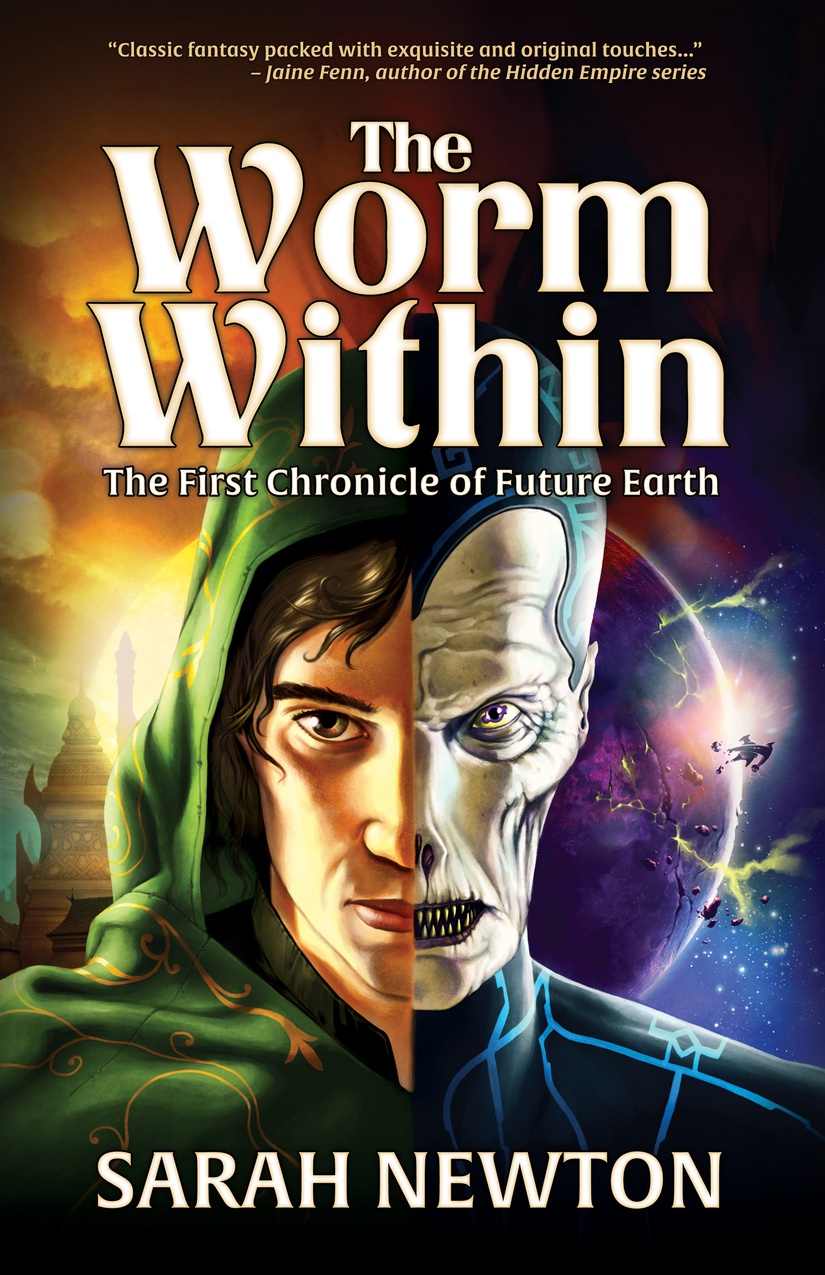
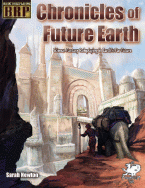
The Worm Within – novel #1 of The Chronicles of Future Earth
 A man will come. A man with a future long dead. And he will change the world utterly.
In the Post-Historical Age, everything that can be known has been known long ago, and then forgotten. Even history itself has ceased, as the light of humanity wanes into stagnation and extinction.
All that is left is prophecy.
In the Autarchal Palace of the ancient city of Korudav, Lord Jakai Tellisan is uneasy. Something is rotten in the Venerable Autocracy of Sakara, oldest of the Springtide Civilizations. After fifteen millennia, an ancient foe seems poised once again to destroy the lands of humankind, and yet the Avatar of the God-Emperor does nothing. And now there are rumors of ancient things stirring in the rusted tunnels beneath his timeworn domain — ancient things from a time when humans ruled the cosmos in glory.
A man has come. A man who remembers a time before history began. But is he a force for good, and hope for a bright future, or will he bring the fossilized ways of the Venerable Autocracy crashing down in flames and chaos?
The forces of destiny gather. Is this the last flicker of the light before the death of humankind? Or can humanity itself rise to this last great challenge—and save its future from the Worm Within?
–
A week or so ago Chaosium Inc announced my new novel, The Worm Within, the first novel in my Chronicles of Future Earth setting. Although I’ve already written several RPG products for Chronicles, this is the first time the far future science-fantasy setting will appear in fiction. It’s a very exciting moment for me – I’ve been wanting to tell the story of the Springtide Civilizations for a long time, and now at last I have the chance…
The first written incarnation of The Chronicles of Future Earth began some thirteen years ago, back in 1999, when I first sat down to write up a setting for the then-new 3rd edition of Dungeons and Dragons. It was an idea I’d been playing with since childhood – a dream of the farthest future of our species, when the aeons of glory and interstellar majesty are behind us, and the dotage of humankind has begun. Since then, it has undergone many mutations, and an awful lot of expansion, and now finds itself a setting for Chaosium’s Basic Roleplaying RPG, where it truly feels at home. It’s a world of the far, far future, faded yet glorious, alien yet familiar, filled with melancholy, wistfulness, and wonder; a world of flying machines so old no one understands them, bizarre creatures and hominids mutated or genetically engineered in forgotten prehistory, and mind-numbing sorceries bestowed by incomprehensible transdimensional gods. And secrets of a terrible past, returning to life…
Alongside the creation of the Chronicles setting, a story has been building – a story of the unimaginably distant destiny of the human race. Elements of that story are built into the RPG setting, and more will be revealed in future RPG books in the line, where you’ll be able to play through your own story of the far future post-history of humankind.
But I’m delighted to have the opportunity to tell that story as I want to tell it, too – in the novels of The Chronicles of Future Earth. In the coming months, I’ll be sharing experiences and thoughts from writing the first novel, and snippets of the book itself. I hope you’ll come along…
The Worm Within will be published by Chaosium, Inc, in 2013.
 A couple of years ago, I wrote a pitch for a World War Two supplement for Call of Cthulhu called “World War Cthulhu”. Since then, the idea has gone through many be-tentacled mutations, and I’m absolutely chuffed to bits that it’s going to see the light of day at last in the awesome Achtung! Cthulhu, published by Modiphius, the new imprint by my colleague and oftimes co-conspirator, Chris Birch. Achtung! Cthulhu looks set to be a huge line of adventures and supplements, and Chris has been stunningly busy recruiting an army of truly awesome writers, artists, layout and graphics specialists, to take your Cthulhoid adventures to a terrifying new level!
I’m delighted to be writing the first product for the Achtung! Cthulhu line – the fiendishly oppressive yet action-packed Three Kings, which takes place on the eve of the Second World War in occupied Czechoslovakia. Three Kings is the first of a series of linked adventures set during World War Two in a campaign called Zero Point, which we’ll be releasing once a quarter for the next couple of years. The theme of the Zero Point campaign is ‘Cthulhoid investigations during World War Two’ – it aims to keep the dark and suspenseful atmosphere of RPGs like Call of Cthulhu, Trail of Cthulhu, and so on. You can play it as gritty or as two-fisted as you like, and play academics, investigators, agents of the OSS, British Intelligence, or even the Ahnenerbe – and of course Resistance fighters or World War Two soldiers sucked unwittingly into nefarious Cthulhoid intrigues!
I’m so excited about the whole Achtung! Cthulhu line – it’s been a hell of a lot of research over the past couple of years, but the theatre of World War Two is just screaming for an action-packed Lovecraftian treatment, and I hope we’re going to give you that with the awesome line of products coming for Achtung! Cthulhu.
Three Kings is in layout right now, and should hopefully be available for purchase in a matter of weeks. I’m currently writing the second episode of the Zero Point campaign, Heroes of the Sea, and it should be available this summer.
All together now:
“Broadsword calling Danny Boy… Castle appears swathed in a dark mist… We’re going in… Wait! Those soldiers… they aren’t… no, that’s impossible… Arrgh… For God’s sake SOMEBODY HELP ME….!!”
“Danny Boy calling Broadsword. Are you receiving me? Come in, please? Danny Boy, are you there? Over…”
RIP Prof MAR Barker, Creator of Tekumel
 I never got to meet Professor MAR “Phil” Barker. Indeed, I even came to his remarkable science-fantasy world, Tekumel, only some 15 years after my life as a roleplayer began. But nevertheless Tekumel has been so important to me, that I thought I’d write a short post here to mark the Professor’s passing, yesterday, at the age of 83.
There are three or four fantasy worlds famous in roleplaying which pre-date the hobby’s existence. There’s Middle-earth, of course; Moorcock’s Young Kingdoms; Greg Stafford’s Glorantha. And then there’s Tekumel, the world of the Petal Throne. Each of these was born before the era of roleplaying games, each in response to very specific creative urges expressed by their authors. But Tekumel stands apart.
Most fantasy worlds are reflections of their own authors’ worlds – the history, myth, folklore, society, and even (Tolkien, I’m looking at you) atmospheres of their native cultures. Almost uniquely, though, Tekumel is none of those things. It’s very, very alien, and throughout its existence this has been its blessing as a work of fiction, and in some ways its curse as a setting for roleplaying games.
Like Tolkien, Professor Barker was a creator of languages. But unlike Tolkien, whose linguistic passions were for Anglo-Saxon, Old Norse, the languages of Dark Age northern Europe, the Professor’s passion was for the languages of India, Meso-America, and their periphery – languages laden with structures and concepts far removed from the comfort zone of traditional roleplayers. Tekumel is literally another world – a planet, colonised by Earth in the far, far future and terraformed as a pleasure world before a cosmic cataclysm casts it into its own pocket universe and technological and social chaos. But even there the traditional tropes of science fiction are subverted; the future Earth which colonises Tekumel isn’t the future of our own, Western, Caucasian society, like so much of our sci-fi: no, our society, races, and cultures have long since been wiped out by nuclear devastation in forgotten prehistory, and the future Earth which colonises Tekumel is a society derived from India, China, Central and Southern America. It has very different roots.
And a very different type of fantasy emerges. There are no taverns and inns on Tekumel. Personal heroism and the ‘Western’ glorification of individualism has no place in its societies. Even human life has a different value. When you create your characters and set foot on Tekumel, you really are roleplaying – trying to put yourself in the mindset of a very alien culture.
 That, of course, is fascinating. But it’s also hard. Much of roleplaying games relies on shared assumptions – we can all roughly guess how we should behave in the fantasy and scifi worlds we’re playing in, because they share much in common with our own. Not so Tekumel. In a world where human sacrifice is common, pretty much everyone walks around naked, and there’s a rigid caste system and very little personal freedom, you can feel like you need a doctorate to work out how your character should behave.
For that reason much of Tekumel roleplaying revolved around ‘foreigners off the boat’ arriving at Jakalla, the City Half as Old as the World. That way your characters were already strangers in a strange land – they were your actual proxies in the alien society of “Tsolyanu”, the core society for most Tekumel roleplaying. It was an approach which worked well.
I always wondered therefore why Tekumel wasn’t much more popular than it was. It’s an awesomely fascinating setting, deep, complex, and yet filled with scope for pulpy, action-packed adventure. There are lost artifacts, truly ancient ruins, mysterious gods and mind-wrenching sorceries, nefarious and evil aliens, wildly imaginative monsters, and a richly-textured setting that you can delve into at will – or just beat the hell out of with a sword, if that’s your bag.
My own theory is that Tekumel never got the ‘campaign pack treatment’ which, IMHO, it so richly deserved. Something like Borderlands or Pavis for Glorantha, Waterdeep for Forgotten Realms, the G-D-Q series for AD&D, The Enemy Within for Warhammer. There are a few adventures for Tekumel, and currently there’s a very cool ruleset using a Tri-Stat variant a la BESM. But no compelling, cool-as-all-hell campaign pack, which would make people pick it up and exclaim, “I’ve got to play me some of THIS!”
A couple of years ago, I toyed with the idea of writing a Tekumel campaign pack for FATE, based on the Legends of Anglerre rules. I may try that again some day – Tekumel really deserves so much more exposure, and a kick-ass campaign pack to really exploit its richness.
But that’s a maybe future. In the 16 or so years since I belatedly discovered Tekumel, its depth, artistry, and sheer craftsmanship has profoundly influenced me. In some ways one of the (many) roots of my own Chronicles of Future Earth setting lies in an attempt to engage Tekumel in a dialogue: where Tekumel is alien by virtue of being based on an alien world and on alien cultures, Urth is alien by virtue of being a truly far, far future version of our own planet, unbelievably changed, yet somehow based on the distant echoes of our own, Western cultures. Likewise, Mindjammer is perhaps set somewhere in the notional backstory of Future Earth: for me, Urth came first, and therefore in some ways the New Commonality of Humankind was kicked off by my thinking of the sort of society that could undergo a collapse into the world of Future Earth. And maybe I wouldn’t have got there, if not for many moons spent wondering what had happened to the rest of humanity when Tekumel got propelled into its pocket universe tens of thousands of years ago – or in our far future.
If you know and love Tekumel, you’ll probably grok my thoughts above, and the debt of gratitude we all owe the Prof for his wonderful creation. If you don’t know the world of the Petal Throne, do yourself a favour: find out. There are games, some very readable novels, websites (check out the gorgeous www.tekumel.com!), even whole languages and histories out there, waiting to be plunged into and enjoyed. Maybe you’ll never game there, but you won’t regret the ride.
Long live Tekumel. And rest in peace, Prof Barker, and thanks.
Sarah
(The two images here are linked from http://www.tekumel.com and thetekumelclub.blogspot.fr. Please visit those excellent sites and support Tekumel!)














 Sarah Newton